

The Science of Bad Breath: Causes, Diagnosis, and Treatment Explained by Dentists in Dubai

A complete, medically reviewed guide by Magnum Dental Clinic
Table of Contents
Bad breath, also called halitosis, is a common concern we treat at Magnum Dental Clinic. Many people in Dubai experience persistent mouth odor even after brushing well, rinsing with mouthwash, or chewing mints. These solutions often work for a short time, but the smell returns because the underlying problem remains untreated.
Halitosis is not just a hygiene problem. It is a clinically recognisable condition that can come from the mouth, throat, nose, or even medical conditions in the body. Understanding the science behind it helps you treat it correctly.
This guide is written to give you the same depth and clarity you’d expect from major medical sites, with added insights from our daily clinical experience in Dubai.
What Is Bad Breath?
Bad breath develops when bacteria break down food particles, dead cells, and saliva proteins, releasing volatile sulphur compounds. Even tiny amounts of these gases cause a strong odor.
Common sulphur gases include:
- Hydrogen sulphide
- Methyl mercaptan
- Dimethyl sulphide
These gases are produced naturally, but excess release usually means something in the mouth or body needs attention.
How Bad Breath Smells: What Patients Report
Patients describe halitosis in different ways:
- Rotten egg smell
- Sour smell
- Metallic or bitter taste
- Coffee-like odor
- Fishy or sweet smell
A persistent bad taste often indicates that others can smell the odor too.
Because it is difficult for someone to smell their own breath, a dental evaluation is the most reliable way to diagnose the cause.
Why Bad Breath Is Common In Dubai: Real Clinical Insights
At Magnum Dental Clinic, we see a steady stream of patients who are otherwise healthy but still struggle with bad breath. Over time, a few local patterns keep repeating.
- Heat and dehydration On many days in Dubai, just walking from the car to the office is enough to make you thirsty. People often drink less water than they should, which dries the mouth and reduces saliva. A dry mouth is the perfect environment for odor-producing bacteria.
- Coffee, tea, and long shifts A lot of our patients work long hours and rely on several cups of coffee or tea to get through the day. Caffeine can dry the mouth and change the way the breath smells, especially when brushing is delayed or skipped after late meals.
- Smoking and vaping habits We regularly meet patients who smoke or vape socially or to manage stress. Both habits affect the normal balance of bacteria in the mouth and increase the risk of gum disease, which quickly shows up as bad breath.
- Fasting and long gaps without food or water During Ramadan and on other fasting days, many people notice that their breath changes. Long stretches without food and water reduce saliva, so bacteria and food debris stay in the mouth longer and odors build up.
These everyday habits, combined with the local climate, make halitosis a very common issue here, even in people who brush regularly.
Symptoms Of Bad Breath

Bad breath is not always obvious to the person who has it. You might notice:
- A smell from your mouth that does not go away easily
- A dry or sticky feeling in your mouth
- A coating on your tongue that looks white or yellow
- An unpleasant taste, especially when you wake up
- A metallic or bitter taste throughout the day
- A sour taste after certain foods or drinks
- A feeling of mucus draining at the back of your throat
If these signs stay for more than a few days, even after brushing and rinsing properly, it is a good reason to get your mouth checked.
Scientific Causes Of Bad Breath
Bad breath rarely has a single cause. In many patients we see in Dubai, more than one factor is involved at the same time.
Below are the main causes we look for in the clinic.
1. Poor Oral Hygiene And Bacterial Build-Up
When brushing, flossing, and tongue cleaning are irregular or rushed, bacteria find plenty of places to hide and grow. Over time, they release gases that smell unpleasant.
Typical contributors are:
- A film of plaque that sticks to the teeth
- Gums that are slightly swollen or red from irritation
- Food stuck between teeth that is not removed daily
- Bacteria collecting on the tongue, especially at the back
People who wear dentures or retainers can also develop bad breath if these appliances are not cleaned carefully every day.
2. Tongue Coating Bacteria
In many of our halitosis cases, the tongue is the main source of the problem.
The tongue can trap:
- Layers of bacteria
- Tiny food particles
- Dead cells from the mouth lining
- Proteins from saliva
If the tongue has deep grooves, more material can collect there. A thick, uneven white or yellow coating is a strong sign that bacteria have built up and are releasing odor-causing gases.
3. Gum Disease (Gingivitis And Periodontitis)
Long-standing bad breath often points to gum disease.
When gums are inflamed, spaces form between the tooth and gum. These pockets are difficult to clean at home and quickly fill with bacteria and plaque.
Common warning signs are:
- Gums that bleed when you brush or floss
- Puffiness or redness around the teet
- Gums that seem to be shrinking or pulling away from the teeth
- A constant unpleasant taste in the mouth
If this condition is not treated, it can damage the bone that supports the teeth and lead to tooth mobility or tooth loss.
4. Dry Mouth (Xerostomia)
Dry mouth is one of the most frequent findings in our Dubai patients with halitosis.
Saliva is the body’s natural cleaning system for the mouth. It washes away food particles, neutralises acids, and keeps bacteria in check. When there is not enough saliva, bacteria multiply faster and odors build up.
Dry mouth can be caused by:
- Not drinking enough water, especially in hot weather
- Long hours in air-conditioned environments
- Certain blood pressure, allergy, or mood medicines
- Breathing through the mouth during sleep
- Health conditions such as diabetes
- Smoking, vaping, or frequent caffeine intake
People with dry mouth often feel they need to sip water frequently or have difficulty swallowing dry foods.
5. Food and Dietary Habits
Certain foods release compounds that affect breath long after digestion.
Examples include:
- Onion
- Garlic
- Spices
- Coffee
- High protein diets
- Alcohol
These compounds enter the bloodstream and are exhaled through the lungs.
6. Tobacco and Vaping
Nicotine and chemicals damage the oral tissues, reduce saliva flow, and disrupt the natural balance of bacteria.
Smokers and vapers have a much higher risk of halitosis, gum disease, and oral infections.
7. Cavities and Faulty Dental Restorations
Food and bacteria get trapped in:
- Deep cavities
- Broken fillings
- Poorly fitted crowns
- Orthodontic appliances
This creates a continuous odor until treated.
8. Tonsil Stones
Small white stones in the tonsils trap bacteria and create a very strong foul smell.
Patients often don’t notice them until they are examined.
9. Sinus, Nose, And Throat Conditions
Sometimes the source of bad breath lies higher up in the airway.
Postnasal drip, where mucus from the nose or sinuses drips down the back of the throat, can act as a constant food source for bacteria. Over time, this can lead to a thick coating on the tongue and a sour or unpleasant smell.
Chronic sinus infections, nasal allergies, and repeated throat infections often present with this kind of breath problem.
10. Medical Conditions
Occasionally, halitosis can be a sign of an underlying medical issue that is not directly in the mouth.
Conditions that may affect breath include:
- Diabetes, which can sometimes give a sweet or fruity smell
- Liver problems, which may change the overall odor of the breath
- Kidney disease, which can lead to a strong, persistent smell
- Acid reflux and GERD, where stomach contents move back up the esophagus
- Certain cancers and metabolic disorders
This is why long-standing bad breath should always be taken seriously and properly assessed.
How Dentists At Magnum Dental Clinic Diagnose Halitosis
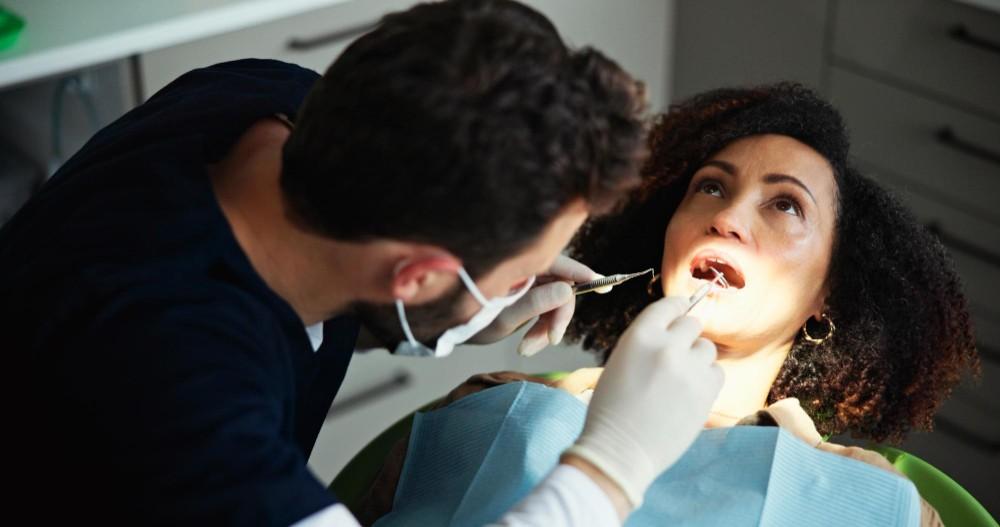
When a patient comes to us with concerns about bad breath, we follow a clear, step-by-step process rather than just suggesting mouthwash.
1. Full Oral Examination
We begin with a careful look at the teeth, gums, tongue, cheeks, and throat. We check for plaque, tartar, cavities, ulcers, and any visible signs of infection.
2. Gum Disease Evaluation
Using gentle probes, we measure the depth of the spaces around the teeth and look for bleeding or swelling. This helps us pick up early and advanced gum disease.
3. Tongue Assessment
We examine the colour, texture, and thickness of the tongue coating. The back of the tongue is especially important, as many odor-causing bacteria hide there.
4. Saliva And Dry Mouth Check
We assess how moist the mouth is and how quickly saliva appears. People with dry mouth often show a different pattern of plaque and tongue coating.
5. Review Of Existing Dental Work
Crowns, fillings, bridges, implants, and dentures are checked for gaps, rough edges, or trapped food that could be contributing to the smell.
6. Medical And Lifestyle Review
We ask about medicines, general health, smoking, vaping, fasting, diet, and stress levels. This helps us connect oral findings with the rest of the body.
If we suspect that the main cause lies in the sinuses, stomach, or another system, we discuss referral to the appropriate specialist.
Treatment Options For Bad Breath In Dubai
There is no single “one size fits all” treatment for halitosis. The plan is built around what we actually find during the examination.
Here is how we usually approach it at Magnum Dental Clinic.
1. Scaling And Gum Therapy
Professional cleaning removes hardened deposits and bacteria from above and below the gum line.
If gum disease is present, we carry out deeper cleaning to reduce pocket depth and inflammation.
2. Tongue Cleaning And Debridement
We demonstrate how to clean the tongue properly and, in some cases, perform a gentle debridement to remove heavy coating. Patients are then shown how to maintain this at home.
3. Treating Tooth Decay And Old Restorations
Cavities are filled, and loose or leaking fillings and crowns are replaced or adjusted. Removing these bacterial traps often reduces odor quite quickly.
4. Dry Mouth Management
When dry mouth is a key factor, we focus on:
- Increasing water intake throughout the day
- Suggesting saliva-stimulating gels, sprays, or sugar-free gum
- Reviewing medicines with the physician to determine if they may be contributing
- Encouraging nose breathing instead of mouth breathing where possible
5. Mouth Rinses And Antibacterial Solutions
We prescribe or recommend rinses that reduce bacteria and plaque levels. The idea is to control the source of the smell rather than simply add a strong flavor on top of it.
6. Managing Lifestyle Triggers
We speak openly about smoking, vaping, strong coffee, frequent snacking, and long gaps without cleaning the mouth. Small adjustments here can support the dental treatment and improve results.
7. Treatment For Tonsil Stones Or Sinus Issues
If we notice tonsil stones or suspect sinus problems, we coordinate with an ENT specialist for further care.
Prognosis
Most people do not have to live with bad breath forever.
Once the real cause is identified and treated, many patients notice a clear improvement within a short period. The long-term outcome depends on:
- How consistently you brush, floss, and clean your tongue
- The health of your gums and supporting bone
- How well is dry mouth controlled
- Whether medical conditions are managed
- Your willingness to adjust habits such as smoking or frequent caffeine consumption
With proper follow-up and regular dental visits, halitosis is usually very manageable.
How To Prevent Bad Breath
Prevention is often easier than treatment. Simple daily habits can protect you from recurring halitosis:
- Brush twice a day, taking at least two minutes each time.
- Floss once a day to remove food between the teeth
- Clean your tongue gently from back to front.
- Use a mouthwash recommended by your dentist.
- Drink water regularly throughout the day.
- Stay away from tobacco and limit vaping.
- Cut down on very strong coffee and alcohol.
- Clean dentures and other appliances as instructed
- Visit your dentist every six months for a check-up and cleaning.
These steps are straightforward, but when done consistently, they make a big difference.
When To See A Dentist
You should consider booking a dental appointment if:
- Your breath smells unpleasant for more than a week
- Your gums bleed when you brush or floss.
- Your tongue always looks heavily coated.
- Your mouth feels dry most of the time.
- You notice a lingering bad taste that does not go away.
These signs are not just cosmetic. They may be early warnings of gum disease, infection, or other health problems that are easier to treat when caught early.
Why Choose Magnum Dental Clinic For Bad Breath Treatment

At Magnum Dental Clinic, our focus is not just on freshening your breath for a day. We aim to find and fix the actual cause.
Our team offers:
- Careful clinical assessment of your teeth, gums, tongue, and oral tissues
- Modern diagnostic tools to support clinical judgment
- Targeted gum and hygiene treatments
- Practical guidance that fits into busy Dubai routines
- Coordination with medical specialists when needed
The goal is simple: a healthy mouth, confident breath, and a treatment plan that you can realistically follow.
When to See a Dentist
Visit a dentist if:
- Bad breath lasts longer than a week
- Your gums often bleed
- Your tongue stays heavily coated
- Your mouth feels dry most of the day
- You notice a persistent bad taste
These signs may indicate gum disease or other conditions that need early treatment.
Why Choose Magnum Dental Clinic for Bad Breath Treatment
At Magnum Dental Clinic, we focus on identifying the exact cause rather than covering up the symptoms. Our approach includes:
- Detailed oral examination
- Advanced assessment tools
- Evidence-based treatments
- Personalised hygiene plans
- Guidance that fits Dubai’s lifestyle
- Coordination with medical specialists when needed
Our aim is to restore fresh breath, improve oral health, and give you confidence in social and professional settings.
Dr. Ashwin Mathews, BDS, MDS – Senior Endodontist & Dental Specialist, Magnum Dental Clinic, Dubai
Dr. Ashwin Mathews is a licensed dental surgeon and specialist in conservative dentistry and endodontics at Magnum Dental Clinic, with over 10 years of clinical experience in managing complex dental conditions, including gum disease, oral infections, and chronic bad breath. He has successfully treated hundreds of patients across Dubai, using evidence-based diagnostic methods and personalised treatment plans to address dental hygiene issues and persistent halitosis. His approach focuses on accurate diagnosis, preventive care, and long-term oral health outcomes.
FAQs
What is the main cause of bad breath in Dubai?
Dehydration, dry mouth, tongue coating, and gum disease are the leading causes we see at Magnum Dental Clinic.
Can dry mouth really cause bad breath?
Yes. Low saliva allows bacteria to multiply and release odor-producing gases.
How do I know if my tongue is causing bad breath?
A thick white or yellow coating is a common sign that the tongue may be contributing.
Is bad breath always related to oral hygiene?
Not always. Sinus issues, diabetes, acid reflux, and medications can also play a role.
How do dentists diagnose halitosis?
We examine the gums, teeth, tongue, saliva levels, and dental restorations, then identify the exact source.
Can bad breath be treated permanently?
Yes, once the underlying cause is addressed and good daily habits are maintained.
Do mouthwashes cure bad breath?
Some help reduce bacteria, but many only mask the smell. Proper diagnosis is key.
How often should I visit the dentist for prevention?
Every six months, or sooner if you have gum disease or ongoing dry mouth.
Medical Disclaimer
This article is for educational purposes only and should not replace a clinical dental evaluation. For personalised diagnosis and treatment, please visit Magnum Dental Clinic, Dubai.
