

Emergency Toothache at Night? Here’s What to Do Until You See the Dentist
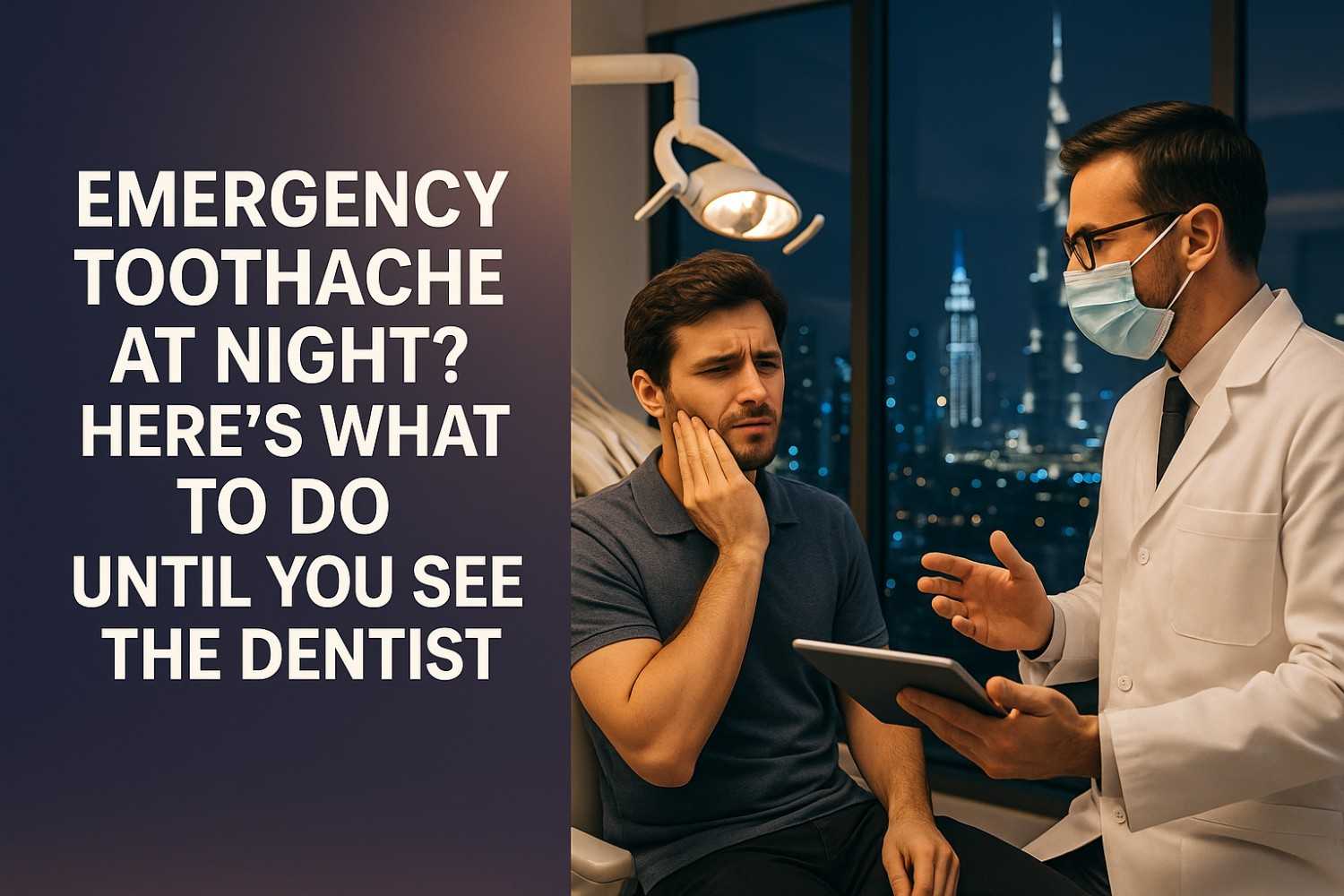
A toothache that strikes at night can feel like a nightmare. The pain is sharp, throbbing, and impossible to ignore, leaving you stressed and sleepless. This guide gives you a clear plan to manage the pain safely until you can see a dentist.
We will cover simple first-aid steps, what you should and shouldn't do, and how to spot a true emergency. These tips provide temporary relief, but a lasting fix requires professional care. At Magnum Clinic, we deliver expert tooth pain treatment in Dubai, focusing on finding the root cause of your pain and providing a permanent solution.
Why Does My Tooth Hurt More at Night?
It’s a common experience: a tooth that was a dull ache during the day becomes an unbearable throb at night. This isn't your imagination. A few key factors work together to amplify your pain when you're trying to sleep.
The Main Culprit: Blood Flow and Pressure
The biggest reason your toothache worsens at night is your sleeping position. When you lie down, more blood rushes to your head. This increases the pressure inside the sensitive, nerve-filled pulp of your tooth. If that area is already inflamed from decay or an infection, the extra pressure squeezes the nerve, causing the intense, pulsing pain that keeps you awake. During the day, when you are sitting or standing, gravity helps pull blood away from your head, which is why the pain often feels less severe.
The Power of Distraction (or Lack Thereof)
Your brain can only focus on so many things at once. During the day, you are busy with work, family, and other activities that serve as natural distractions from physical discomfort. At night, when the world goes quiet, those distractions disappear. In the stillness of your bedroom, your brain’s attention narrows, and it becomes hyper-aware of the pain signals coming from your tooth, making the ache feel much more intense.
How Your Evening Habits Can Make Pain Worse
What you do in the hours before bed can also set the stage for a painful night.
- Late-Night Snacks: Eating sugary or acidic foods right before bed can fuel the bacteria in your mouth. These bacteria produce acid, which can irritate a cavity or inflamed gums and make your toothache flare up.
- Unconscious Teeth Grinding: Many people grind or clench their teeth in their sleep without realizing it, a condition called bruxism. This habit puts a huge amount of pressure on your teeth and jaw, often leading to waking up with a sore jaw or a significant toothache.
Your First-Aid Kit for Nighttime Tooth Pain
When pain strikes, you need a clear, step-by-step plan. Follow these actions to get some relief and make it through the night.
Step 1: Simple Fixes Without Medication
Before you reach for a pill, try these simple but effective physical remedies. They can often provide significant relief on their own.
- Elevate Your Head: This is the easiest and most immediate thing you can do. Use an extra pillow or two to prop your head up so it’s higher than the rest of your body. This uses gravity to help reduce the blood pressure in your head, which can ease the throbbing pain in your tooth.
- Rinse with Warm Salt Water: A saltwater rinse is a time-tested remedy that cleanses the area and reduces inflammation. Salt is a natural disinfectant and can help draw out some of the fluid causing swelling in your gums. Mix half a teaspoon of salt in a glass of warm—not hot—water. Swish it around your mouth for about 30 seconds, then spit it out. You can do this several times as needed.
- Use a Cold Compress: If you have any swelling on your face or jaw, a cold compress can work wonders. The cold helps narrow your blood vessels, which reduces inflammation and swelling. It also provides a numbing effect that can dull the pain. Wrap a bag of ice or frozen vegetables in a towel and hold it against your cheek for 15-20 minutes at a time. Never put ice directly on your skin, as it can cause damage.
- Gently Floss the Area: Sometimes, a sharp pain is caused by a piece of food stuck between your teeth, putting pressure on the tooth and gums. Try to gently floss around the painful tooth to see if you can dislodge any trapped food particles. Be very careful not to push too hard, which could make the pain worse.
Step 2: How to Use Over-the-Counter Pain Relievers
If the pain is still too much, over-the-counter (OTC) pain relievers can be very effective. For dental pain, experts often recommend a specific approach.
According to clinical guidelines from the American Dental Association (ADA), the best first choice for acute dental pain is often a nonsteroidal anti-inflammatory drug (NSAID).
- Ibuprofen (Advil, Motrin): Ibuprofen is an NSAID that is particularly good for toothaches because it does two things: it blocks pain signals and it reduces the inflammation that is usually the source of the pain.
- Acetaminophen (Tylenol): Acetaminophen is another effective pain reliever, but it works differently. It acts in the brain to change how your body perceives pain, rather than targeting inflammation at the site. This makes it a good alternative if you can't take NSAIDs.
- Combination Approach: For moderate to severe pain, taking ibuprofen and acetaminophen together can be very effective. Because they work on pain in different ways, their combined effect is often greater than either one alone.
Always follow the dosage instructions on the package carefully and never take more than the recommended daily maximum. If you have any health conditions or are taking other medications, check with your doctor or pharmacist before taking any pain reliever.
A Contrarian Angle: Why That Old-Fashioned Remedy is a Terrible Idea
You might find advice online or hear from a relative to place an aspirin tablet directly on your aching tooth or gum. Do not do this. This is a dangerous myth. Aspirin is an acid, and holding it against the soft tissue in your mouth will cause a painful chemical burn, often called an "aspirin burn". Painkillers are made to be swallowed so they can work through your bloodstream, not applied directly to the source of pain.
The "Do Not Touch" List: Foods and Habits to Avoid
What you avoid is just as important as what you do. Certain foods and drinks can trigger a fresh wave of pain in a sensitive tooth.
Foods and Drinks That Make Toothaches Worse
To keep the pain from flaring up, stay away from these common triggers:
- Sugary and Starchy Foods: Things like candy, soda, cake, and even starchy foods like potato chips and white bread are a feast for the bacteria in your mouth. These bacteria produce acid, which can easily irritate an exposed nerve in a cavity, causing sharp pain.
- Acidic Foods and Drinks: Citrus fruits (lemons, oranges), tomatoes, and fizzy drinks (including diet sodas) are highly acidic. Acid can wear away tooth enamel and cause severe pain if it comes into contact with a sensitive tooth.
- Hard and Crunchy Foods: Biting down on hard foods like nuts, ice, or hard candies can put too much pressure on a weak tooth, potentially causing it to crack or break.
- Sticky Foods: Chewy candies like caramel or even dried fruit can pull out a loose filling or get stuck in a cavity, creating constant pressure and discomfort.
- Very Hot or Cold Foods and Drinks: Extreme temperatures are a classic trigger for tooth pain. A sip of hot coffee or a bite of ice cream can cause a sharp, shooting pain in a tooth with an irritated nerve. It’s best to stick with lukewarm or room-temperature options.
What You Can Eat: A Tooth-Friendly Menu
Focus on soft, bland foods that won't irritate your tooth. Good choices include:
- Scrambled eggs
- Oatmeal or lukewarm soups
- Yogurt or cottage cheese
- Mashed potatoes or bananas
- Smoothies (but not too cold)
Toothache Triggers vs. Safe Foods
| Category to Avoid | Examples |
| Sugary/Starchy | Candy, soda, pastries, chips, white bread |
| Acidic | Citrus fruits, tomatoes, fizzy drinks, wine |
| Hard/Crunchy | Nuts, ice, hard candy, popcorn |
| Sticky | Caramel, taffy, gummy candies, dried fruit |
| Extreme Temperatures | Hot coffee, ice cream, iced drinks |
| Category to Choose | Examples |
| Soft & Soothing | Scrambled eggs, oatmeal, lukewarm soups, yogurt, mashed potatoes, smoothies |
Red Flags: When to Seek Immediate Emergency Care
Most toothaches can wait for a dentist's office to open. However, some symptoms are signs of a serious infection that needs immediate medical attention. A dental abscess, if left untreated, can spread and become dangerous.
Signs of a Spreading Infection
If you have a toothache along with any of these symptoms, you need to see a dentist or go to a hospital emergency room right away. These are signs that a dental infection may be spreading.
- Swelling in Your Face, Jaw, or Gums: This is a major warning sign that the infection is no longer contained in the tooth.
- Fever and Chills: A fever means your body is fighting a serious infection that may have entered your bloodstream.
- A Foul Taste in Your Mouth: A persistent salty or bad taste can be a sign that an abscess is draining pus.
- Swollen Glands in Your Neck: The lymph nodes under your jaw may become tender and swollen as your body tries to fight the infection.
Life-Threatening Symptoms: Go to the ER Immediately
The following symptoms are a true medical emergency. Call 998 or go to the nearest A&E immediately.
- Difficulty Breathing or Swallowing: If swelling in your mouth or neck is making it hard to breathe or swallow, your airway could be at risk. This is a life-threatening situation.
While a hospital can give you antibiotics and pain medication to manage a severe infection, they cannot perform the dental work needed to fix the underlying problem. You will still need to see a dentist as soon as possible for the definitive treatment.
The Morning After: Getting Professional Tooth Pain Treatment in Dubai
You’ve successfully managed your pain through the night. Now it’s time to take the most important step toward a real solution. The home remedies you used were just a temporary fix. A toothache is your body’s alarm bell, and ignoring it will only allow the problem to get worse, potentially turning a simple filling into a root canal or extraction.
What to Expect at Your Emergency Dental Visit
We know that an emergency dental visit can be stressful. Here’s what you can typically expect so you can feel more prepared:
- A Conversation and Exam: We’ll start by listening to you describe your symptoms. Then, the dentist will carefully examine the painful area.
- Dental X-rays: An X-ray is almost always needed to see what’s happening under the surface. It can show the extent of a cavity, a crack in the tooth, or an infection at the root.
- A Clear Diagnosis and Treatment Plan: Based on the exam and X-ray, the dentist will explain exactly what is causing your pain and discuss the best treatment options with you.
- Immediate Pain Relief: Our first priority is to get you out of pain. Depending on the diagnosis, this might involve draining an infection, placing a medicated filling to calm the nerve, or starting the first step of a root canal. If the infection is severe, we may also prescribe antibiotics.
Which Solution is Best for You in 2025?
You’ve done a great job getting through a tough night. Now, let us help you get rid of the pain for good. A toothache won't fix itself, and waiting is never the right answer.
If you need reliable tooth pain treatment in Dubai, our team at Magnum Clinic is here for you. We always set aside time for emergency appointments because we know how urgent your situation is. Let us help you find a lasting solution and restore your oral health.Call us first thing in the morning or book your emergency appointment online.
