

How Often Should You Visit a Dentist in Dubai? A Guide from Magnum Clinic
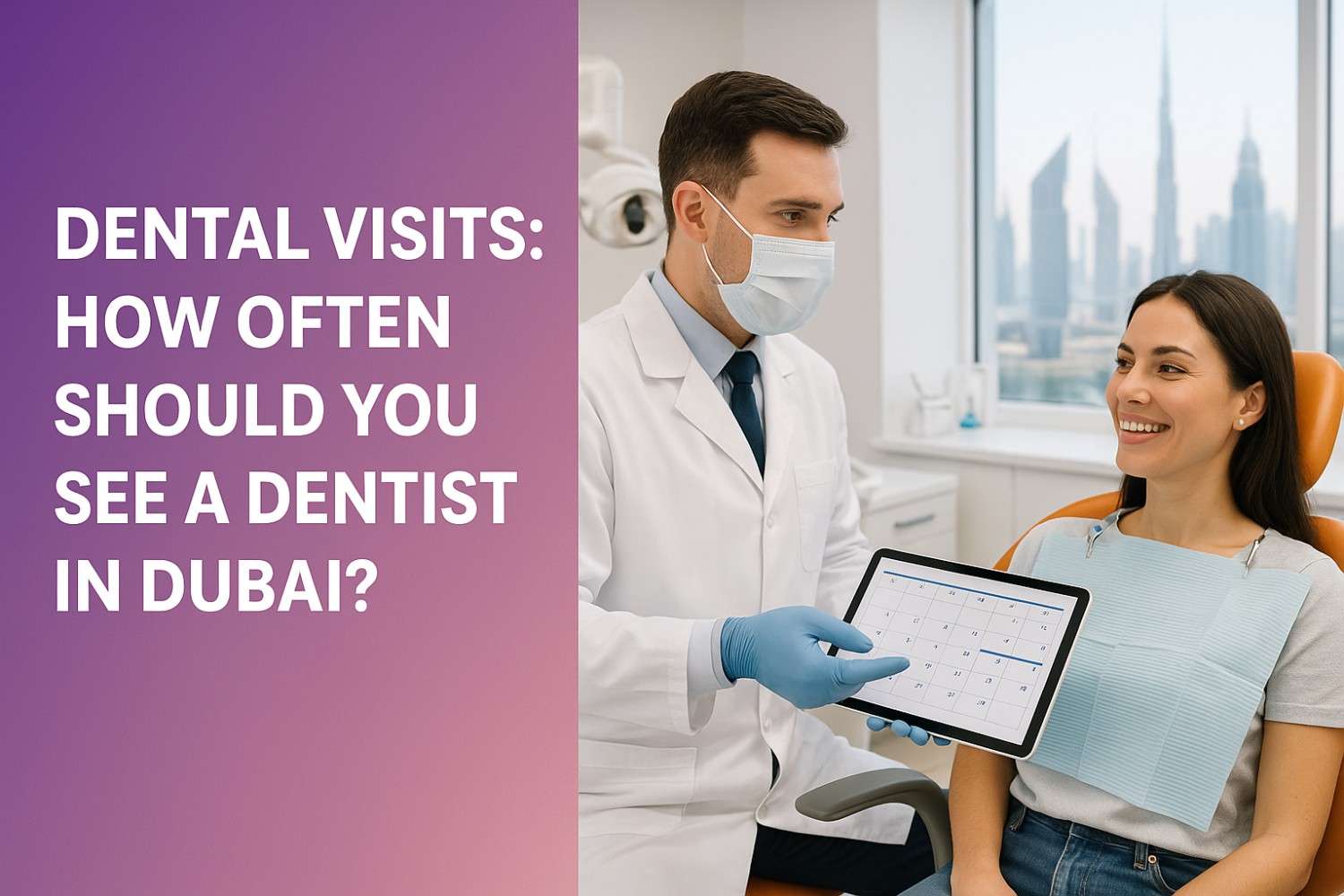
Most dental experts in Dubai recommend a check-up and cleaning every six months. This is a solid guideline for many people, but it's not a strict rule. Your perfect schedule depends on your unique oral health, age, lifestyle, and overall health history.
Welcome to the Magnum Clinic blog, where we believe in providing clear, honest, and personalised dental advice. As a top dental clinic in Dubai, our goal is to empower you with the knowledge to take control of your oral health. In this comprehensive guide, we'll break down the famous "six-month rule," explore why a personalised approach is often better, and help you understand the ideal frequency for your dental visits.
The Six-Month Rule: Why It’s the Gold Standard for Most People
You’ve heard it since you were a child: visit your dentist twice a year. This recommendation has become the cornerstone of preventive dental care for good reason. For the average person with good oral health, a six-month interval is the sweet spot for maintaining a healthy smile and preventing problems before they start.
The Power of Prevention: Catching Problems Before They Start
The core philosophy behind regular dental visits is simple: prevention is always better, easier, and cheaper than cure. Many serious dental issues, like cavities, gum disease, and even oral cancer, often develop silently without any pain or obvious symptoms in their early stages.
By the time you feel pain, the problem is usually more advanced and requires more complex and expensive treatment. Regular six-month check-ups allow our team of the best dentists in Dubai to spot these issues when they are small and easy to manage, saving you discomfort, time, and money down the line.
What Happens During a Routine Dental Check-up at Magnum Clinic?
A routine visit to Magnum Clinic is much more than just a quick polish. It’s a comprehensive assessment of your entire oral health. Here’s what you can expect:
- A Friendly Chat: We start by discussing your health history, any concerns you have, and your lifestyle habits. This helps us understand your specific needs.
- Professional Cleaning (Scaling & Polishing): Even with perfect brushing and flossing, plaque inevitably builds up and hardens into tartar (calculus), which you can't remove at home. Our skilled hygienists use specialised tools to gently remove this buildup from above and below the gum line, preventing gum disease and decay. Your teeth are then polished to remove surface stains, leaving them feeling smooth and bright.
- Thorough Examination: Your dentist will carefully examine each tooth for signs of decay, check the health of your gums for inflammation or bleeding, and inspect your tongue, palate, and cheeks for any abnormalities.
- Oral Cancer Screening: This quick, painless, and potentially life-saving check is a standard part of every examination. We look for any unusual sores or patches that could be early signs of oral cancer.
- Digital X-Rays (When Necessary): We don’t take X-rays at every visit, but they are a crucial diagnostic tool used periodically to see what’s happening beneath the surface. They can reveal issues like cavities between teeth, impacted teeth, or problems with the jawbone that are invisible to the naked eye.
- Personalised Advice: We conclude with a discussion about our findings and provide tailored advice on your home care routine, diet, and any recommended treatments. This is when we’ll recommend the ideal time for your next visit.
The Financial Wisdom of Regular Visits
It might seem counterintuitive, but spending a little on regular check-ups can save you a lot of money in the long run. The cost of a routine cleaning and exam is a fraction of what you would pay for a root canal, crown, or dental implant needed to fix a neglected problem. Think of it as a small investment that protects your most valuable asset—your health.
Beyond the Six-Month Rule: A Modern, Personalised Approach to Dental Care
Now for a little secret: the six-month rule isn't a hard-and-fast medical law. At Magnum Clinic, we practice at the forefront of modern dentistry, which means moving away from a "one-size-fits-all" approach and towards care that is tailored specifically to you.
The Surprising Origin of the “Twice a Year” Rule
Interestingly, the biannual dental visit recommendation didn't come from a landmark scientific study. It was popularised by a Pepsodent toothpaste advertisement in the 1950s. While it has served as a useful and effective guideline for decades, modern dental science shows that the optimal frequency is more nuanced.
Why One-Size-Fits-All Doesn’t Work for Your Smile
Every patient is unique. Your risk for dental disease is influenced by a huge range of factors, including your genetics, diet, oral hygiene habits, medical conditions like diabetes, and lifestyle choices like smoking. A 25-year-old with perfect oral hygiene and no history of cavities has very different needs from a 55-year-old smoker with a history of gum disease.
That’s why leading global health authorities, including the American Dental Association (ADA) and the UK's National Health Service (NHS), now emphasize a risk-based recall interval. This means your dentist performs a thorough risk assessment to determine the schedule that will provide the best protection for
you. In fact, major scientific reviews, like those from Cochrane, have found little to no difference in health outcomes for low-risk adults who visit every 6, 12, or even 24 months, supporting the move towards personalised schedules.
Who Needs to See a Dentist More Often? Identifying High-Risk Groups
For some individuals, visiting more frequently than every six months is crucial for maintaining oral health. At Magnum Clinic, we create customised care plans for our patients, especially those in high-risk categories.
Children and Teenagers: Building a Foundation for a Healthy Smile
- Frequency: Generally every 6 months. For children at high risk of cavities or with orthodontic needs, visits every 3-4 months may be recommended.
- Why: A child’s mouth changes rapidly. Regular visits are essential to monitor the development of their teeth and jaw, apply preventive treatments like fluoride and sealants, catch cavities early (which can progress quickly in baby teeth), and build a positive, lifelong relationship with the dentist. The American Academy of Pediatric Dentistry recommends a child's first visit by their first birthday or within six months of their first tooth erupting.
Pregnancy and Oral Health: A Special Connection
- Frequency: At least one check-up during pregnancy is vital, but continuing with your regular 6-month schedule is ideal.
- Why: Hormonal changes during pregnancy can make your gums more sensitive and prone to inflammation and bleeding, a condition known as "pregnancy gingivitis". Keeping your mouth healthy is important for both you and your baby, as severe gum disease has been linked to adverse pregnancy outcomes.
Managing Diabetes: The Critical Mouth-Body Link
- Frequency: More frequent visits, often every 3-4 months, are highly recommended.
- Why: The link between diabetes and gum disease is a two-way street. Uncontrolled blood sugar weakens the body's ability to fight infection, making gum disease more likely and more severe. In turn, a chronic infection like gum disease can make it harder to control your blood sugar. Diligent oral care is a critical part of overall diabetes management.
For Smokers and Tobacco Users: An Urgent Need for Vigilance
- Frequency: Check-ups are typically needed every 3-6 months.
- Why: Tobacco use is one of the biggest risk factors for oral health problems. It dramatically increases your risk of severe gum disease (by masking early symptoms and hindering healing) and is a leading cause of oral cancer. Frequent visits are essential for deep cleanings and, most importantly, for regular oral cancer screenings.
If You Have a History of Gum Disease or Frequent Cavities
- Frequency: A schedule of every 3-4 months is standard for maintenance.
- Why: Periodontal (gum) disease is a chronic condition. Even after successful treatment, it requires ongoing professional maintenance to prevent it from recurring and progressing. Similarly, if you are naturally prone to cavities due to genetics, diet, or medical conditions, more frequent cleanings and monitoring can stop new problems before they take hold.
A Quick-Reference Guide: Your Personalised Dental Check-up Schedule
To make it easier, here is a table summarising the recommended frequencies for different groups. Remember, this is a guide—your dentist at Magnum Clinic will help you determine your perfect schedule.
| Patient Profile / Risk Group | Recommended Frequency | Why It Matters |
| Low-Risk Adult | Every 12-24 months | Excellent oral hygiene, no history of major issues. Focus is on long-term maintenance. |
| Standard Adult | Every 6 months | The classic guideline for general prevention, early detection, and professional cleaning. |
| Children & Teenagers | Every 6 months (or more) | Monitor rapid growth, apply preventive sealants, assess orthodontic needs, and build good habits. |
| Pregnant Individuals | Every 6 months | Hormonal changes increase the risk of gingivitis; good oral health is important for you and your baby. |
| People with Diabetes | Every 3-4 months | High risk of severe gum disease, which can impact blood sugar control. Diligent care is crucial. |
| Smokers/Tobacco Users | Every 3-6 months | Very high risk of gum disease and oral cancer. Requires frequent professional cleaning and screening. |
| History of Gum Disease | Every 3-4 months | Essential for periodontal maintenance to prevent disease progression and potential tooth loss. |
Why Choose Magnum Clinic for Your Dental Care in Dubai?
Choosing a dental provider is a decision about your long-term health. At Magnum Clinic, we combine expertise, technology, and patient-focused care to be a top dental clinic in Dubai.
A Team of the Best Dentists in Dubai
Our clinic is home to a large and diverse team of over 40 dental professionals, including specialists in pediatric dentistry, orthodontics, endodontics (root canals), and cosmetic dentistry. This means you get comprehensive, expert care all under one roof.
State-of-the-Art Technology for Precision Care
We are proud to be the first and only clinic in Dubai equipped with both a Dental CBCT Scanner and an Intraoral Scanner. This advanced technology allows for incredibly accurate diagnostics and precise treatment planning, from placing dental implants to designing your perfect smile.
Care That Fits Your Busy Dubai Lifestyle
We understand that life in Dubai is busy. With convenient locations in Dubai Silicon Oasis (DSO), Jumeirah Village Circle (JVC), JLT and Arjan, and flexible hours that include evenings and weekends, we make it easy to fit essential dental care into your schedule.
The Takeaway: Which Dental Schedule is Best for You in 2025?
So, how often should you visit a dentist in Dubai? The six-month check-up is an excellent rule of thumb and the right choice for many. However, the most accurate answer is that the best schedule is the one that’s personalised for you.
Don't leave your oral health to guesswork. The best way to know your ideal frequency is to have a comprehensive assessment with a dental professional.
Ready to take the next step? Let the experts at Magnum Clinic create a personalised care plan just for you. Book your oral health assessment today and discover the check-up schedule that’s perfect for your unique smile.
Frequently Asked Questions (FAQs) About Dental Visits in Dubai
Q1: Why do I need a check-up if my teeth don’t hurt?
Many serious dental problems, including early-stage cavities, gum disease, and oral cancer, do not cause any pain until they are quite advanced. Regular check-ups are designed for early detection, which leads to simpler, less invasive, and more affordable treatment.
Q2: Does a professional cleaning remove cavities?
No. A professional cleaning removes the plaque and tartar that cause cavities, making it one of the best preventive measures. However, it does not treat existing decay. If a cavity is found, it will require a separate procedure, like a filling, to be fixed.
Q3: Are dental check-ups and treatments safe during pregnancy?
Absolutely. Both the American Dental Association and the American College of Obstetricians and Gynecologists agree that routine and emergency dental care is safe and recommended at any stage of pregnancy. For any non-emergency procedures, the second trimester is often considered the most comfortable time.
Q4: My friend was told to visit only once a year. Is that okay?
Yes, for some people, it is perfectly fine. If your friend has excellent oral hygiene, a healthy diet, and no history of major dental issues, their dentist may have determined they are at a very low risk for problems. A 12-month or even 24-month interval can be completely safe for low-risk individuals, reinforcing the importance of a personalised schedule based on a professional assessment.
